
Kotikaupunkilainen
Civic orientation in the City of Hämeenlinna
I remember well how it feels to move to a new country. In the beginning, everything is new and full of possibilities. You are curious, motivated — perhaps even a little impatient to start your new life. You want to find your place in society. You sign up for a Finnish course. You hope to make Finnish friends and settle quickly into everyday life. And then, everyday life gently taps you on the shoulder.
The Finnish language is not quite as easy as you thought. Conversations do not flow as naturally as you hoped. Finns might not be as talkative as you expected. And sometimes you find yourself wondering what the other person is actually thinking — the famous Finnish poker faces can be surprisingly difficult to interpret.
I know this because I have gone through it myself.
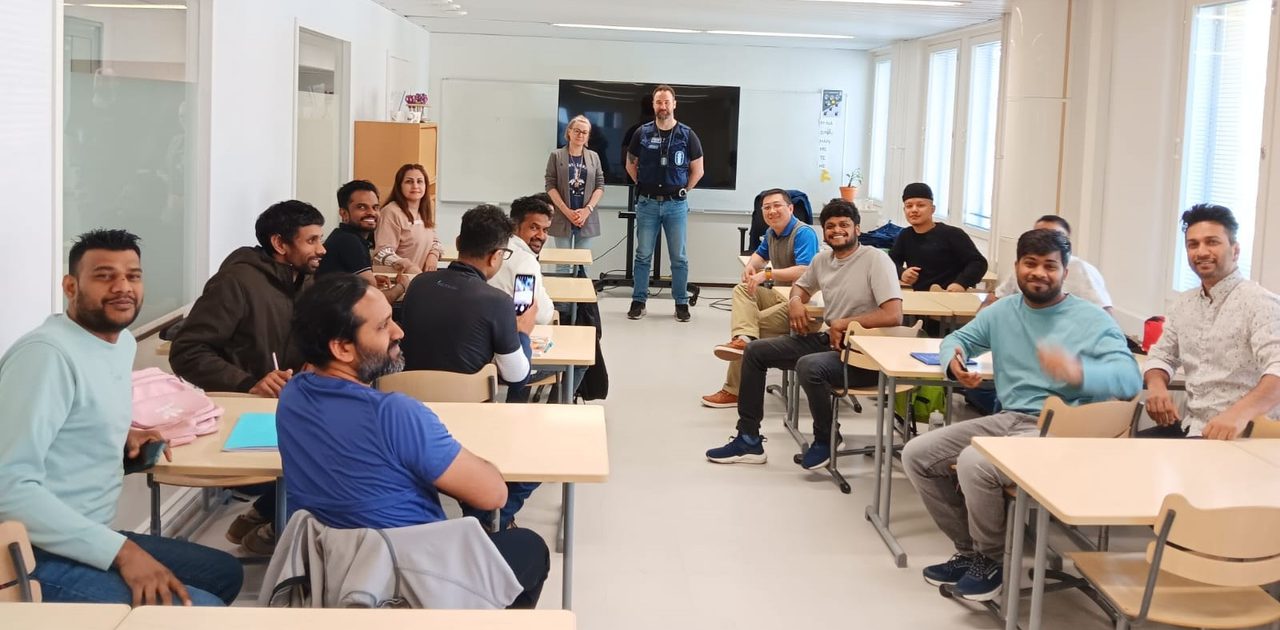
Today, I lead civic orientation training for immigrants in Hämeenlinna. However, my own path with the City of Hämeenlinna began much earlier; you can read more about it in my career story. I was also new to this city, studying the language, customs, and unwritten rules. Everything did not open up immediately — and it didn’t have to.
That is precisely why I can empathize with the experiences of those participating in the training. When I tell my own story, I often see nods and insightful looks. It is a relief to realize that you are not alone with your thoughts. I often say: if I could do this, so can you. It does not happen overnight, but step by step, the new country begins to feel like home.
Learning the language is important — without it, it is difficult to fully participate in society. But it is not enough on its own. It is equally important to understand the culture, history, and subtle features of everyday life. When you understand how Finland was built into what it is today, many things begin to click into place. Including the way people behave.
In civic orientation, we talk a lot about emotions that are not always easy to discuss: excitement, uncertainty, loneliness, and hope. Moving to another country is rarely a straightforward journey. It is more like a roller coaster. And all those emotions are part of the process.
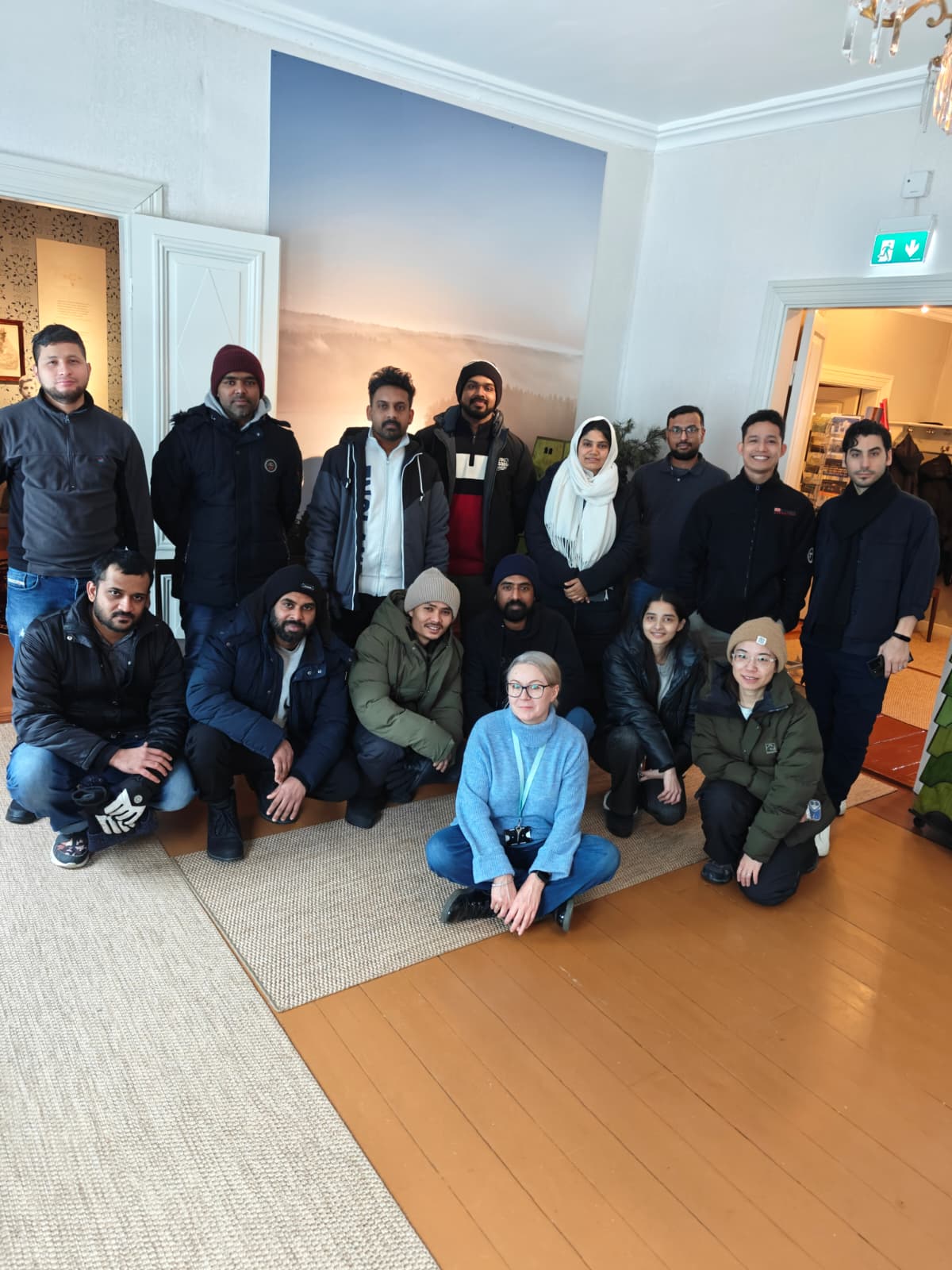
Together, we explore Hämeenlinna. We visit museums, walk the streets of the city center, and stop to reflect on the history of this city. When you understand the story of a place, you often begin to better understand its people as well — and perhaps find your own place among them.
We also invite guest experts who talk about housing, family life, employment services, and other practical matters. Ultimately, everyday life is built from very concrete things.
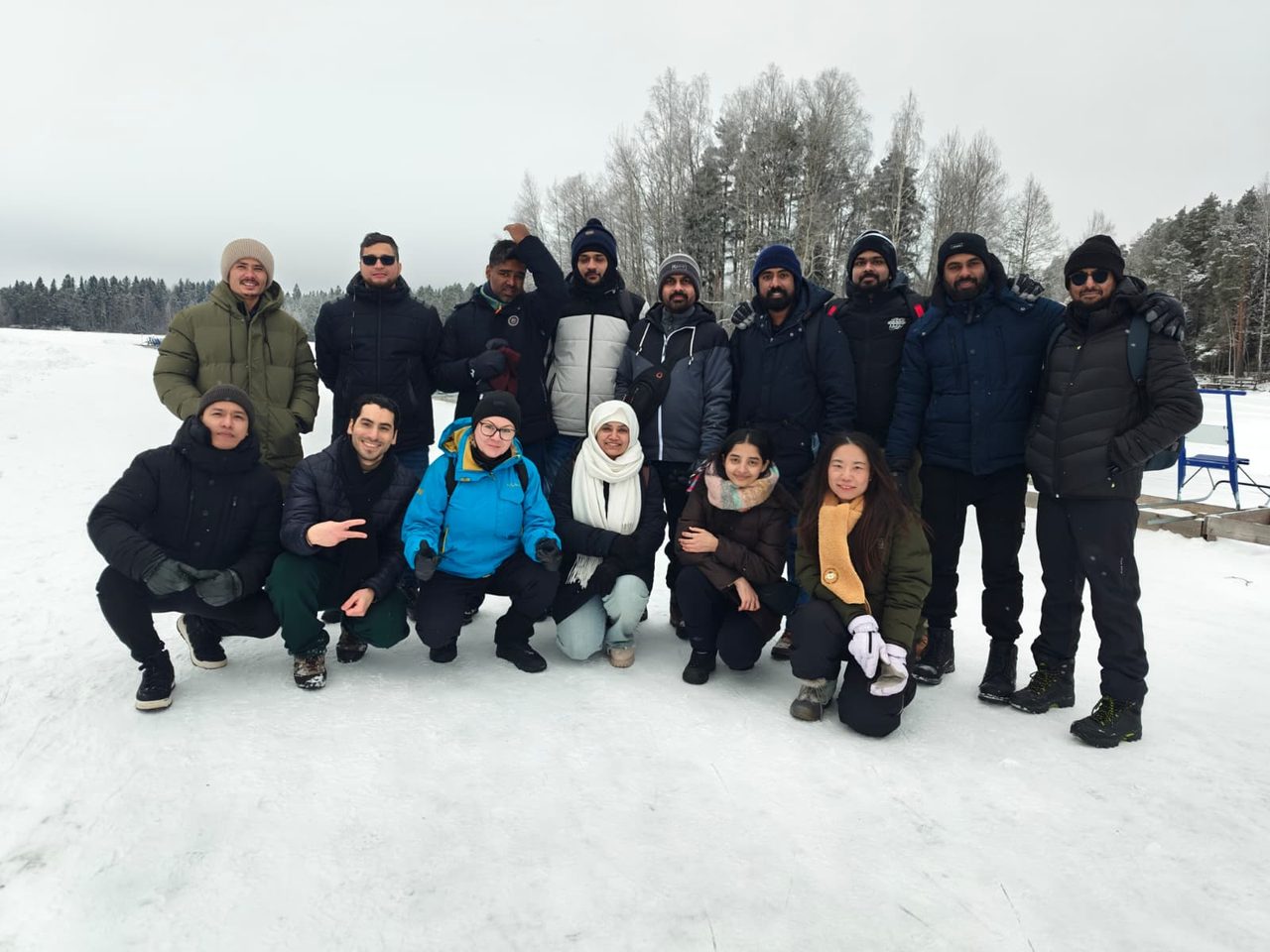
And then there are the shared experiences. We taste rye bread and Karelian pasties. We try kicksledding, walk on the ice, ski, or skate. For many, the first contact with the Finnish winter is memorable — for better or worse. It is precisely those moments that connect us. Suddenly, Finland no longer feels quite so foreign.
Even if you do not participate in civic orientation, you can still build your own relationship with this country. Read, listen, and ask. Go to the forest. Sit by a lake on a summer evening. Dare to go to the sauna, even if you are not quite sure about the sauna etiquette. Curiosity goes a long way.
In my next article, I will write about the culture shock of working life — that moment when you start a job in Finland and notice that the silence, directness, or independence of the workplace feels surprising. Let’s continue from there.
Written by Anna Kolata
Opin-mentor (Fast to Work project) and civic orientation teacher
Fast to Work – Language-Aware Integration Coaching is an ESF+ project implemented between 2024 and 2027, funded by the European Social Fund Plus and the Centre for Economic Development, Transport and the Environment of Central Finland.