
Kotikaupunkilainen


Climate work requires all residents
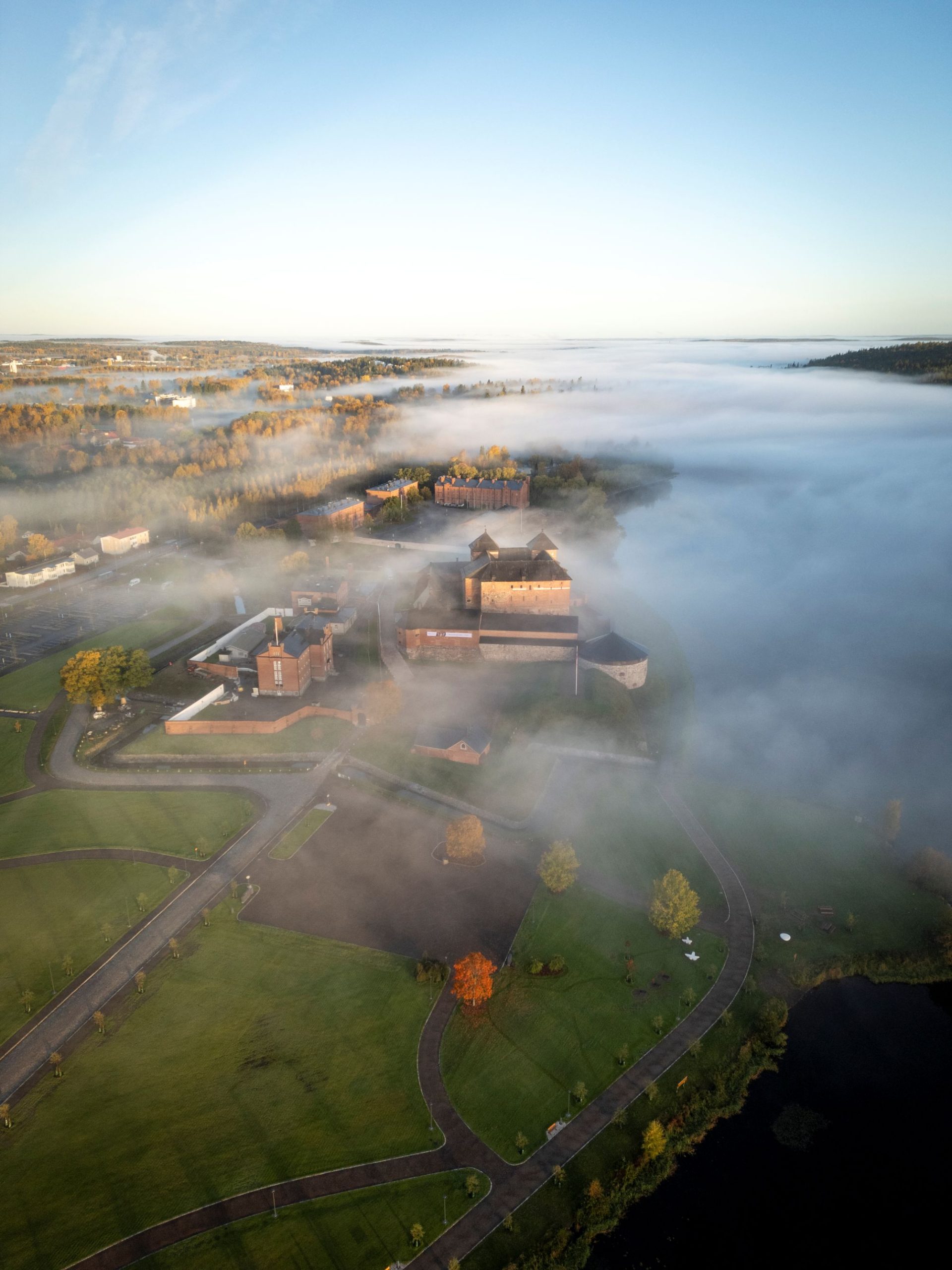
Hämeenlinna is currently preparing a new climate program aimed at promoting carbon neutrality, preparing for the effects of climate change, and strengthening the circular economy and sustainable consumption. The program updates the Carbon Neutral Hämeenlinna program drafted in 2020, which aims for carbon neutrality by 2035.
Carbon neutral refers to a state where carbon dioxide emissions are only generated in the amount that is removed from the atmosphere. Carbon neutrality is pursued primarily by reducing emissions and strengthening carbon sinks, such as forests. According to the definition of carbon neutrality, remaining emissions can also be offset by supporting projects that reduce emissions or sequester carbon elsewhere.
Sustainability and climate expert Terhi Svanström from the City of Hämeenlinna says that the Hämeenlinna climate program has been prepared during the current year. The new climate program is proceeding to the city’s decision-making process at the end of the year.
In Hämeenlinna, residents are involved in developing a climate-smart and sustainable everyday life. The results of a climate-themed resident survey conducted in early summer provide insights for the action plan supplementing the program. One issue that emerged is information and communication. The City of Hämeenlinna intends to increase its communication on climate issues and organize joint events for discussion and information sharing.
Climate work is a matter for the whole city, requiring everyone’s contribution. Each of us can make an impact through our own actions. In accordance with the Hämeenlinna city strategy: boldly and positively together.
Svanström encourages
The city offers opportunities and tools for this. Climate work is guided, for example, through land-use planning. Agriculture and forestry are also significant factors in sustainability and climate work. The city wants to be involved in developing low-carbon agriculture.
Hämeenlinna is a child-friendly city, so building a sustainable future plays a major role in the city’s operations. Schools utilize a sustainable lifestyle learning path. The Youth Council and youth agents have been included in the work. Practical actions identified with young people include the prevention of littering.
Cooperation with educational institutions and businesses holds an important position in the toolkit. In collaboration with Häme University of Applied Sciences, training for voluntary climate ambassadors, implemented as student work, has been brainstormed.
You can find everyday tips and information to increase resident participation on the city’s new website. Progress toward carbon neutrality is made one step at a time.
– Every action in the right direction is significant, Svanström reminds.
Good and fresh tap water in the future as well
Most of Hämeenlinna’s domestic water is groundwater, so an important factor in adapting to climate change is securing precious groundwater. The goal is to guarantee the availability and sufficiency of high-quality and fresh domestic water in the future as well. This requires preparation and foresight, for which the groundwater area protection plan serves as a practical tool.
The protection plan for the groundwater areas of Hämeenlinna and Hattula is being updated. Ramboll Finland Oy has been responsible for the update work. The previous plan was completed in 2016, and the recommended update interval for protection plans is ten years.
Environmental Inspector Petra Korkiakoski from the City of Hämeenlinna says that since the completion of the previous protection plan, there have been some changes to the classification and boundaries of groundwater areas. Additionally, the structure of the plan has been modified to be more user-friendly.
The goal of the groundwater area protection plan is to secure the good quality and quantity of groundwater and to prevent groundwater pollution. At the same time, the biodiversity and pleasantness of the local environment are strengthened.
The matter concerns residents more closely if they live or intend to build in a groundwater area. According to Korkiakoski, the environmental protection regulations and building codes of Hämeenlinna and Hattula provide local regulations regarding groundwater areas, including the treatment of wastewater in sparsely populated areas and the handling and storage of chemicals and fuels.
– This applies especially to the storage of fuels, oils, and chemicals. The condition of property-specific wastewater systems in groundwater areas must also be maintained.
Key groundwater risks are caused by contaminated land areas, heating oil tanks, soil extraction, traffic and road maintenance, as well as locally by wastewater and agriculture. Korkiakoski says that the risks of activities subject to permits are generally quite well managed.
A groundwater area monitoring group has served as the project’s steering group, including the City of Hämeenlinna, the Municipality of Hattula, Hämeenlinnan Seudun Vesi Oy, the Licensing and Supervisory Authority, the Finnish Defence Forces, the Kanta-Häme Rescue Department, the Regional Council of Häme, and the Municipality of Janakkala.
The implementation of the measures presented in the protection plan is monitored in the aforementioned monitoring group, which meets annually.
The City Council will approve the final version of the groundwater area protection plan later this year. The public part of the protection plan will then be available on the city’s website.
Read more on the topic:
Text: Jouni Lehtonen
The article was first published in the Hometown Media magazine in November 2026