 Explore
Kotkon ulkomuseoalue
Historical sights

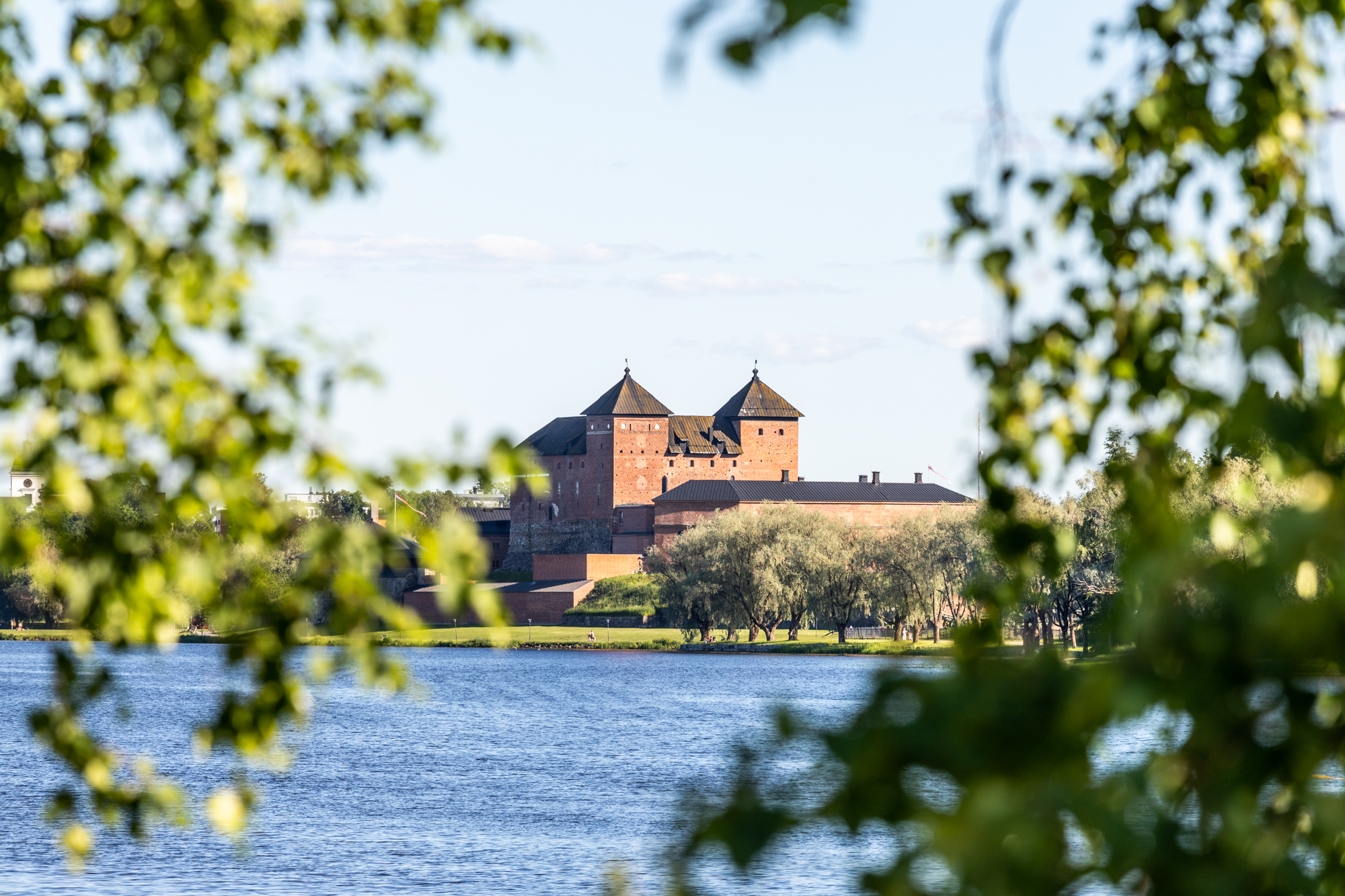
Hämeenlinna is a city of museums, where you can experience history, art and design. With the national Museum Card, you can access eight museum sites in Hämeenlinna, and there are also smaller specialized and local heritage museums to see. A museum tour in Hämeenlinna is of course crowned by the medieval Häme Castle.
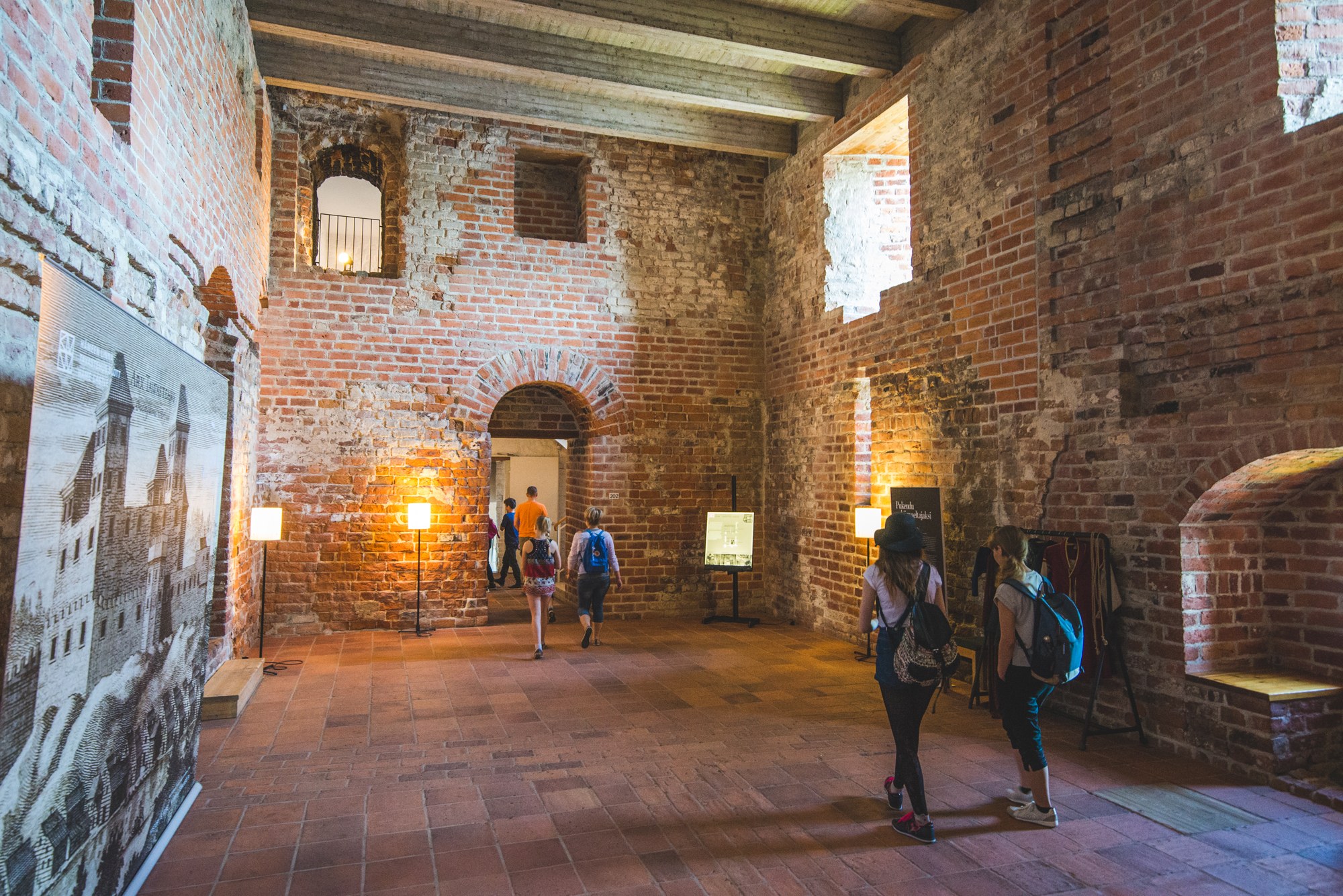
Häme Castle was most likely built in the late 13th century on the border between Sweden and the Novgorod Republic. In the late Middle Ages it was held by the powerful Swedish Tott, Sture and Posse families. The castle acquired its present appearance around 1520. During the Great Northern War the castle was held by the Russians (1713–1721), but returned to the control of the King of Sweden. Bastions and a moat were built around the castle in the 1770s. In 1837, the main castle was converted into a prison according to a design by architect C.L. Engel.
The castle was opened to the public in 1979 after restoration work lasting nearly twenty years. In summer, guided tours are arranged daily in Finnish and English. In winter, guided tours are arranged in Finnish and by reservation in other languages.
Häme Castle houses several permanent exhibitions as well as temporary exhibitions. The castle and its surroundings have become a popular venue for events and meetings. The castle has a museum shop and catering services in summer and by reservation. The museum is operated by the National Museum of Finland.
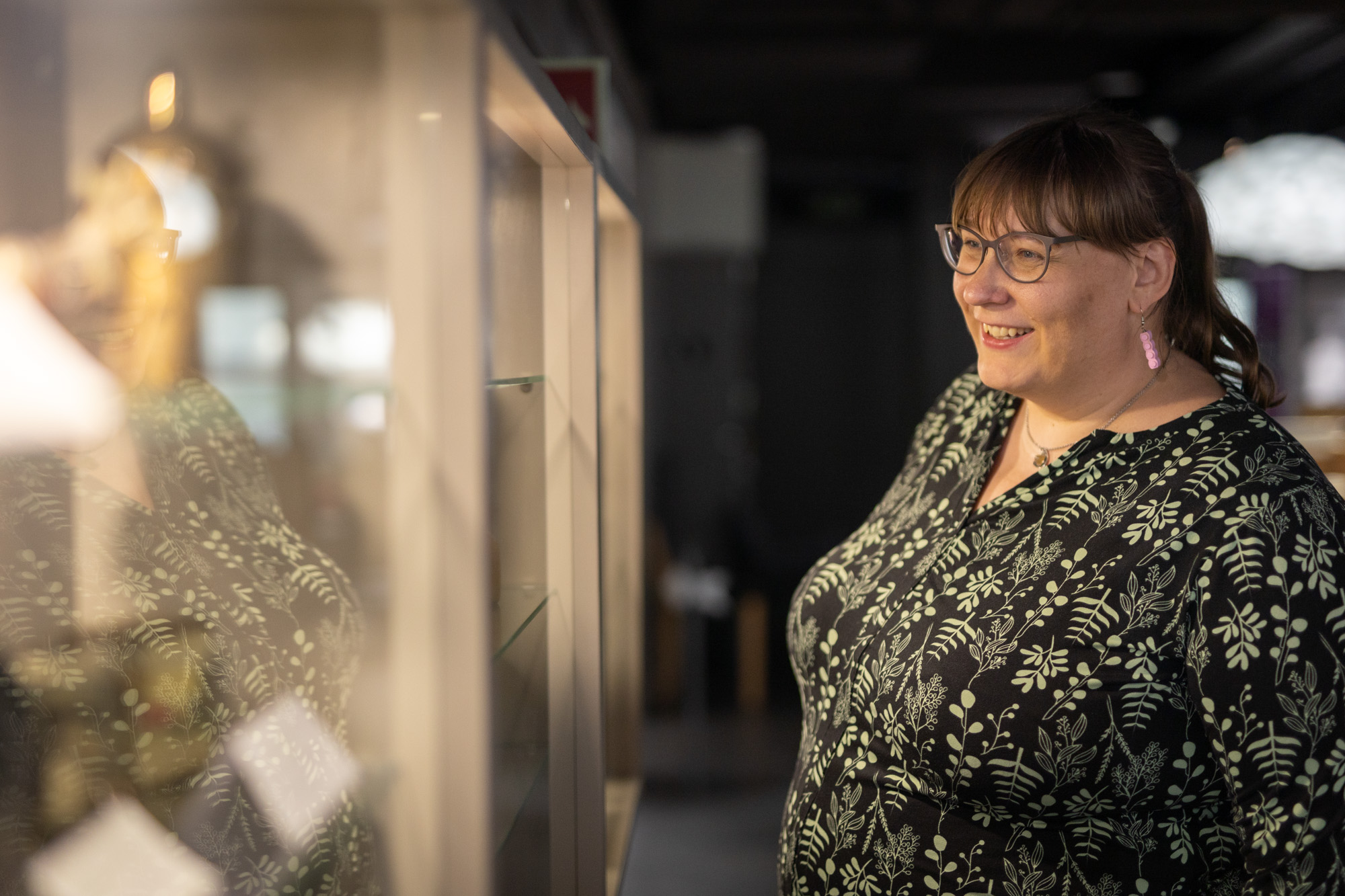
Skogster Museum is the main site of Hämeenlinna City Museum and a cultural-historical meeting place in the city centre. The museum has two spaces for temporary exhibitions as well as the oldest Savings Bank Museum in the Nordic countries, whose permanent exhibition tells the history of everyday banking and the Finnish economy. The temporary exhibitions highlight the history, phenomena and cultural heritage of the Kanta-Häme area from current perspectives.
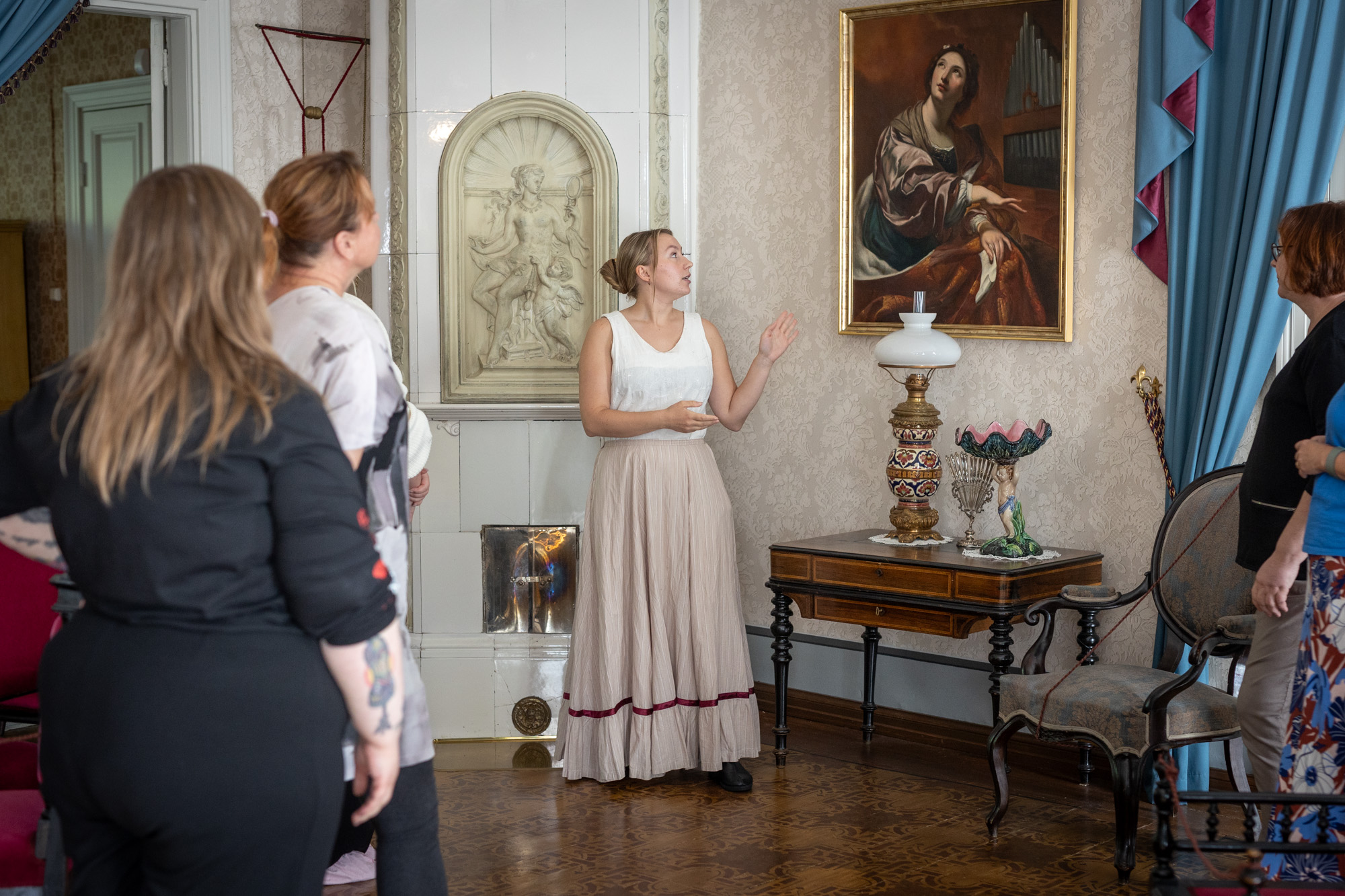
Palander House takes the visitor to 19th-century Hämeenlinna and the atmospheric town home of a bourgeois family. The permanent exhibition tells the history of the house and the area as well as the life, everyday routines and celebrations of a bourgeois family. Particularly popular are the seasonally changing exhibitions for harvest festival, Christmas and Easter, which offer information about the celebration of festivals and traditions in times past.
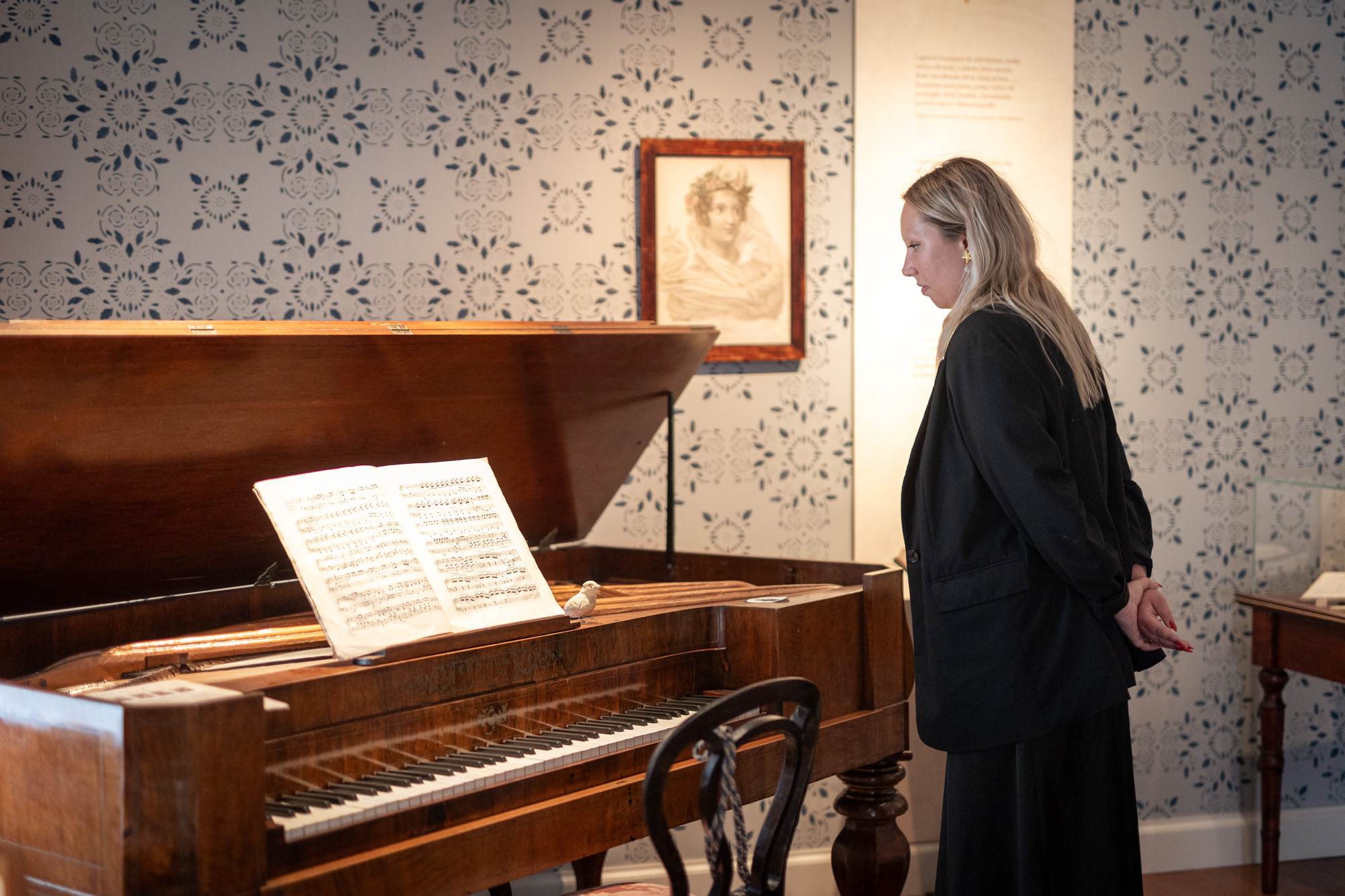
The birthplace of Jean Sibelius in the centre of Hämeenlinna is a unique cultural-historical site and a part of the roots of Finnish music. The museum offers an opportunity to explore the world and the town in which young Sibelius grew up, played with his friends and dreamed of his future in music.
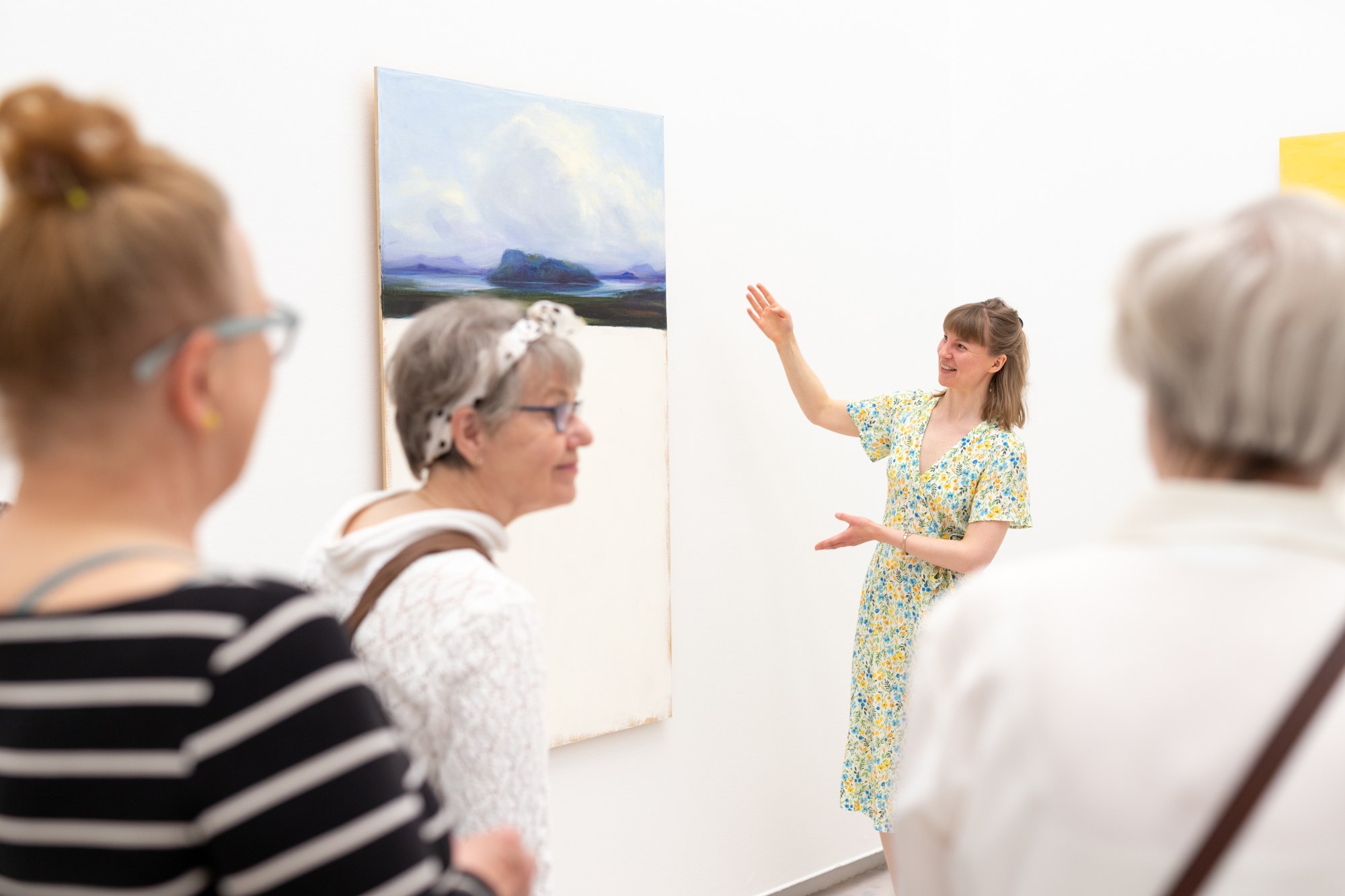
Located on the shore of Lake Vanajavesi, Hämeenlinna Art Museum introduces phenomena of visual art from different eras. Temporary exhibitions in the museum’s two buildings offer thrilling experiences in the world of art – from works of old masters to the peaks of contemporary art. The museum also organises a diverse range of events for all ages.
Hämeenlinna Art Museum, which opened in 1952, is based on artworks evacuated from the Vyborg Art Museum during the Second World War. Today, the museum’s collections comprise over 8,000 works, and they are continuously expanding. The collections include works of many significant Finnish and international artists.
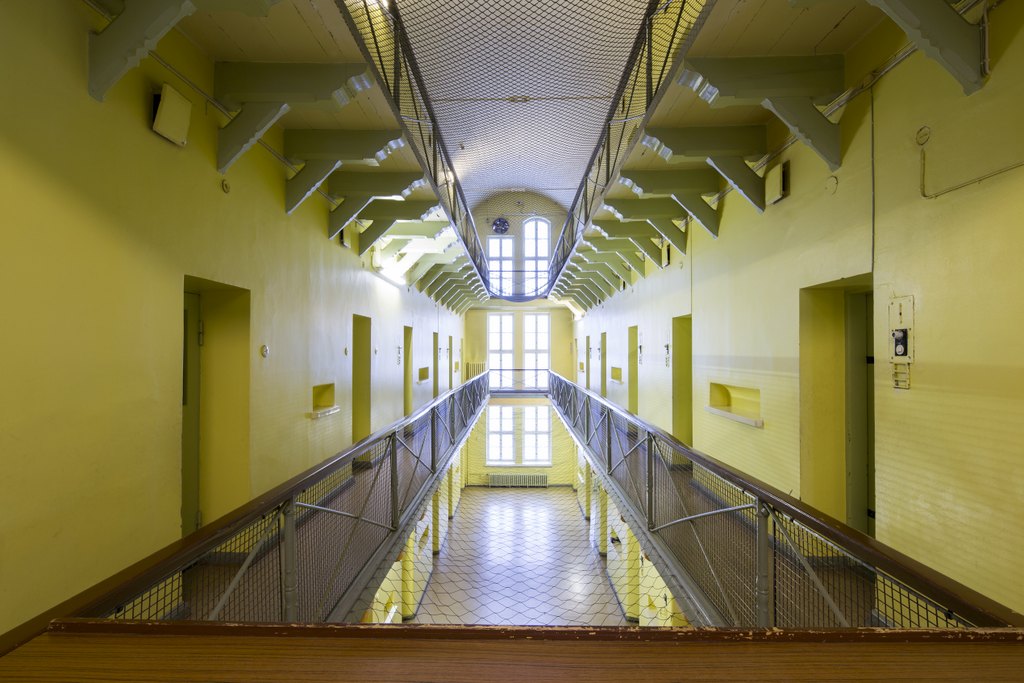
The Prison, which served as Hämeenlinna Provincial Prison until 1993, is Finland’s largest prison museum. The Prison prompts reflection on fundamental questions of humanity. It tells the history of prison administration and prison life in a way that evokes emotions and breaks down prejudices. The Prison is open during the summer season from May to September.
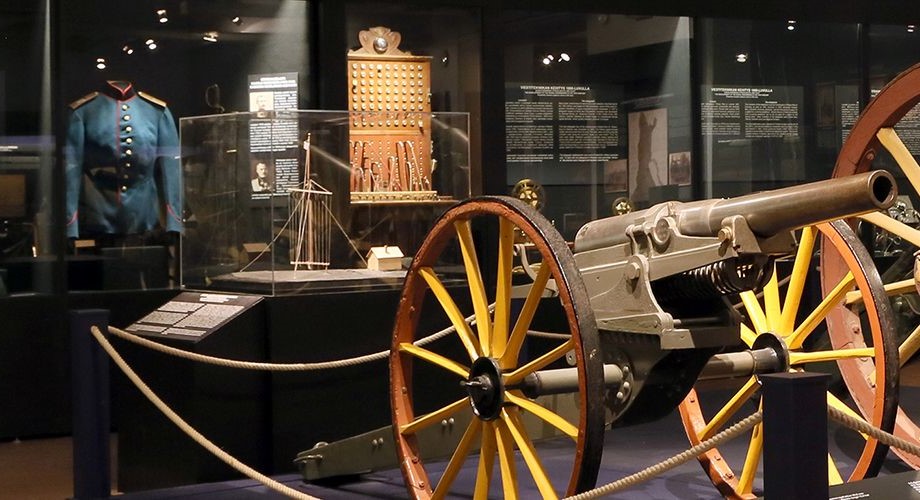
Museum Militaria offers a comprehensive overview of Finland’s military history, presenting the history of the artillery, engineer and signals branches from the Middle Ages to the present day. There is plenty to marvel at for the whole family on three floors and in the courtyard area.