
Support for learning and growth
Every child has the right to receive support for growth, development, and learning in early childhood education and pre-primary education. The aim of this support is for the child to be able to learn, participate, and thrive within their own group, based on their individual starting points. Support for learning is organised as part of the daily activities of the children’s group. If necessary, support is strengthened within the group, or individual support measures are arranged for the child.
In early childhood education and pre-primary education, support for the child begins as soon as a need for it is identified. The child’s perspective, interests, and needs are taken into account when planning and implementing support. Support is always planned in cooperation with guardians.
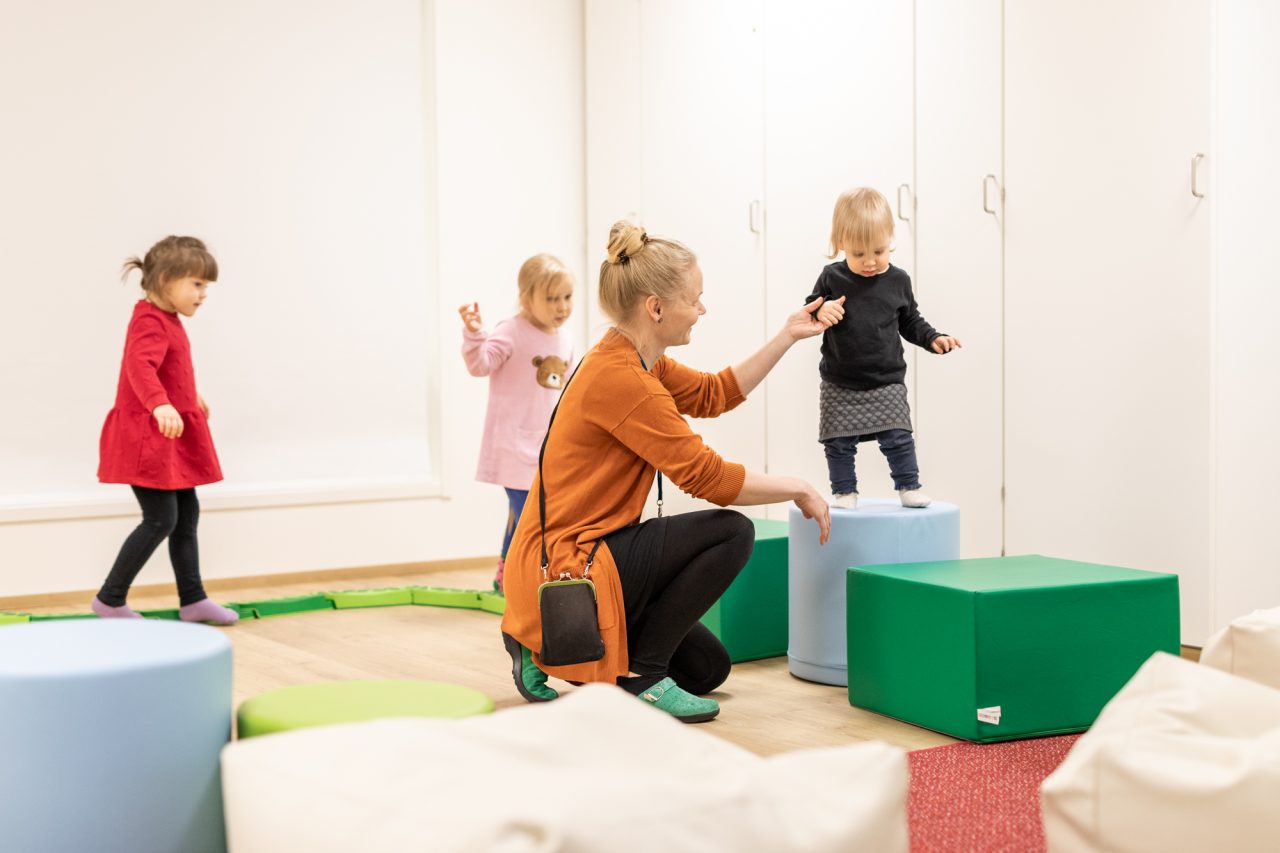
Support for learning, growth, and development in early childhood education
In early childhood education, every child has the right to receive support for development and learning. The aim of this support is for the child to participate safely in the daily life of early childhood education, based on their own starting points and together with other children. Support is part of daily activities and is initiated as early as possible, as soon as a need for it is identified.
Support for children is based on educators’ continuous observation and pedagogical planning. Operating environments, working methods, and daily structures are adapted to support children’s needs. Support is implemented inclusively, meaning the child primarily receives the necessary support within their own group. Guardians are key partners in the planning, implementation, and evaluation of support.
In early childhood education, support can be provided in three forms, which together constitute a flexible system tailored to the child’s needs:
General support is part of the daily life of all children. This may include, for example, small group activities, differentiation of activities, a clear daily routine, a calm learning environment, or strong adult guidance. General support does not require separate decisions and is provided as soon as a child’s need for support is identified.
Intensified support is provided when general support alone is insufficient. This support is more systematic and often longer-term. It may include several forms of support simultaneously, such as regular small group activities, stronger linguistic or interactional support, and the utilisation of the expertise of an early childhood special education teacher. Intensified support is always planned in cooperation with guardians and recorded in the child’s early childhood education plan.
Special support is intended for children whose need for support is extensive or long-term. Special support may include, for example, regular work with a special educational needs teacher, assistant services, aids, or working in a smaller group. An administrative decision is made for intensified and special support, defining the content of the support and the necessary support services. Guardians have the right to be heard when decisions are made.
In all forms of support, the goal is the child’s well-being, participation, and joy of learning. Support is regularly monitored and evaluated, and it is adjusted according to the child’s needs. In this way, early childhood education creates a strong and secure foundation for the child’s growth and learning.
Support for learning in pre-primary education
In pre-primary education, every child has the right to receive support for learning and well-being. Support for learning in pre-primary education emphasises early support for the child within their own group, inclusion, and flexible teaching arrangements.
A child has the right to receive support for learning and participation in pre-primary education when they need it. When a need for support is identified, the pre-primary education provider must offer it at the earliest possible stage within the child’s own group.
Group-specific support is provided within the children’s group and may include general remedial teaching, teaching support for the language of instruction, or teaching provided by a special education teacher in conjunction with other instruction. If the support provided within the group is insufficient, the child may also receive child-specific support. This could be, for example, regular teaching by a special educational needs teacher in a small group. Individual support may also include interpreting and assistant services, as well as various aids.