
Tips for Sustainable Living
Welcome to explore tips on how you can reduce your own carbon footprint and participate in creating a shared sustainable city.
A sustainable lifestyle is an important future skill. It does not have to mean scarcity or compromising quality of life, but can, on the contrary, increase well-being and meaningfulness in life. Hämeenlinna offers many opportunities for a sustainable lifestyle and reducing one’s own environmental footprint.
How can sustainability improve quality of life?
A sustainable lifestyle does not mean that nothing can be done or acquired. Properly understood, a sustainable lifestyle adds well-being and meaningfulness to life. Sustainable choices have many benefits.
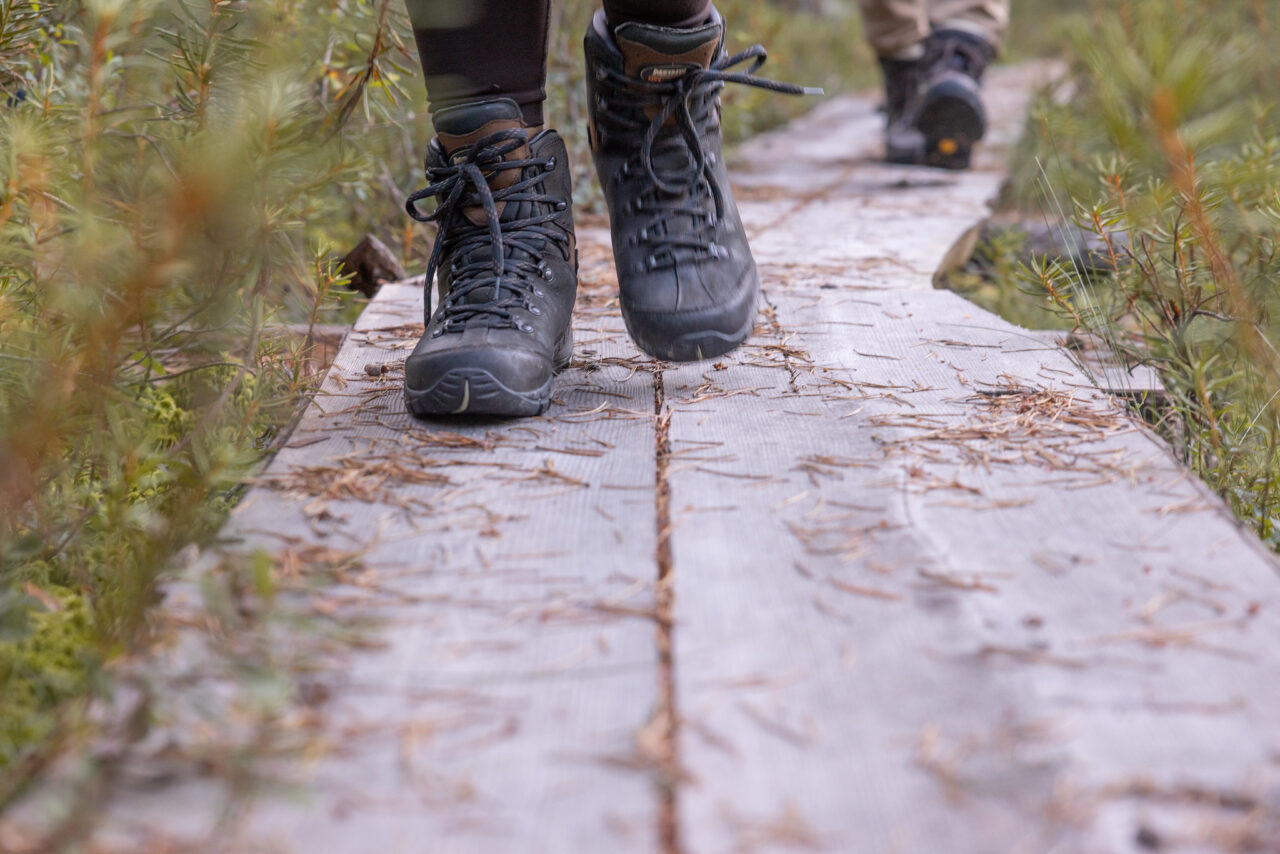
For example, replacing short-distance travel by walking or cycling instead of driving increases fitness and maintains health.
Being in nature promotes health while increasing the desire to protect nature. Strengthening the connection to nature provides a calm sense of meaningfulness and may reduce the need to seek meaning in life through new possessions or foreign travel.
Cutting out unnecessary purchases, saving energy and water consumption at home, favouring muscle power in mobility, combating food waste and reducing air travel also save clear money. The money saved brings flexibility to everyday life and enables, for example, investing in quality when making necessary purchases.
A good feeling also comes from knowing that you are taking action yourself for a sustainable future. A sustainable lifestyle does not have to be anything grand, but can be a set of small actions. Everything does not need to be or can be done, and the journey towards a more sustainable lifestyle can be started one step at a time. Pick your own from the tip boxes below.
Practical Tips and Links
Connection to Nature
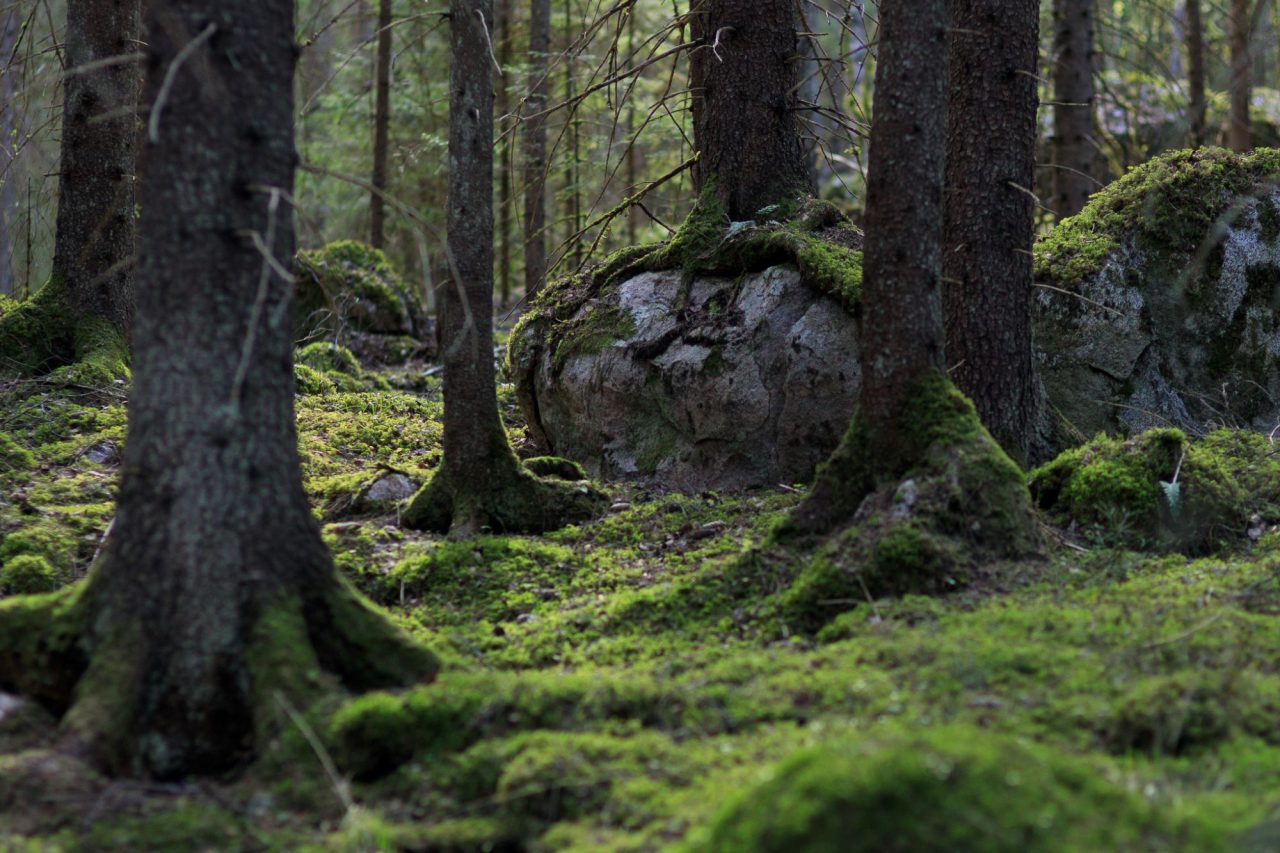
Strengthening the connection to nature promotes well-being in many ways; being in the forest in particular lowers blood pressure and stress hormone levels, speeds recovery from hectic everyday life and the flood of messages, revitalises and calms the mind, and improves concentration. Moving in nature exercises the body comprehensively and pausing in nature increases the ability to be present in the moment.
Hämeenlinna has excellent opportunities to spend time in the forest or lake nature. You can hike in the forest, row on the lake and much more. Staying and walking in nature can also be combined with sustainable food, for example by picking berries, mushrooms and fishing. From the link below you will find more ideas for enjoying Hämeenlinna’s nature!
Nature can also be brought to your own yard by giving wild plants space and favouring flowers that attract pollinators. You can find tips for this in the LUMO guide.
Climate-wise Housing
The majority of Finns’ carbon dioxide emissions come from housing; that is, from heating homes, electricity consumption and water consumption.
One of consumers’ most significant emission sources is heating based on fossil fuels. All three forms of heating: district heating, separate heating or electric heating can be wholly or partly renewable. Sustainable heating methods include, among others, geothermal heat and solar electricity. Energy saving and changing the heating method not only reduce carbon dioxide emissions, but also bring economic savings. When changing the heating method, it must be taken into account that when switching to geothermal heat, an action permit must be applied for.
The consumer does not always have the opportunity to influence the source of heat. The easiest way to reduce heating emissions is to lower the indoor temperature of the dwelling. Even a one-degree drop in room temperature saves 5% of energy. Other effective ways to reduce emissions from heating are to improve the energy efficiency of buildings, for example by sealing doors and windows. Space efficiency also saves heating needs and energy. When life situations change, it is worth considering whether it would be possible to move to a smaller dwelling.
Electricity consumption emissions can be most effectively influenced by switching to electricity produced with renewable energy sources. Renewable energy sources include, among others, wind, solar and hydropower. Verification of the electricity certificate of origin guarantees the consumer that the electricity has been produced with renewable energy sources – check that your energy company has verified the origin of the electricity.
Water consumption also consumes energy. Moderate water consumption reduces not only energy consumption emissions, but also costs.
- Switch to renewable electricity, whereby the CO2 emissions of electricity drop to zero.
- Lower the indoor temperature. Recommended temperatures for different spaces (source: Motiva)
- Living spaces 20–22 °C
- Bedroom 18–20 °C
- Stairwells, storage spaces 15–18 °C
- Garages approximately 12 °C
- Cold cellars 4–6 °C
- Seal air leaks in doors and windows
- Regular basic adjustment of the radiator network in residential and office buildings
- Electrical appliances cause 30% of household electricity consumption. So consider the product’s energy efficiency at the time of purchase and examine the operating costs of the appliance.
- Shorten shower time, turn off the tap while soaping, wash full washing machine loads, repair tap leaks.
Energy advice for private individuals and companies is provided in the Kanta-Häme region by Ekokumppanit’s Sami Seuna sami.seuna@tampere.fi 044 972 7302
Sustainable Consumption and Everyday Circular Economy
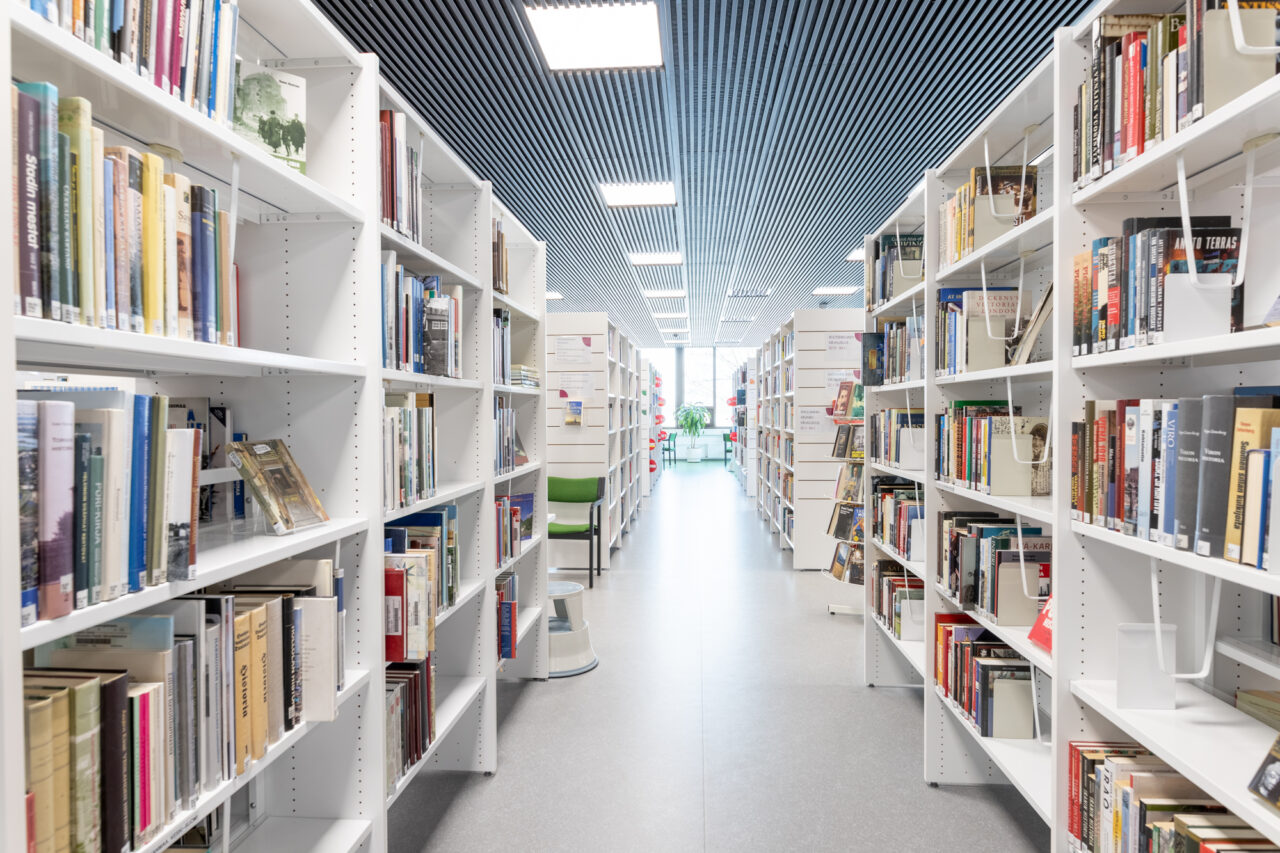
You can promote sustainable consumption by buying only what is necessary, choosing quality rather than cheap, and favouring local products and services. Buying used and repairing old are good ways to reduce the consumption of natural resources. Even at flea markets, it is good to pay attention to the quality and durability of products and avoid short-lived and poor-quality cheap production. When you buy less and higher quality, less waste is also generated. Remember also to sort items removed from use correctly – this way materials can be returned to circulation. Whenever possible, instead of buying items, it is worth utilising various lending, rental, maintenance and sharing services. In addition to the links below, useful recycling groups can be found, for example, on Facebook. Internet search engines can find many Hämeenlinna services for repairing, for example, clothes, shoes, IT and other electronics. By using them you support local expertise!
Support for recycling in the Hämeenlinna area is provided by, among others, Kiertokapula’s Karanoja waste treatment area and Iittala recycling station, Rinki eco-points and UFF collection boxes.
Mobility Options
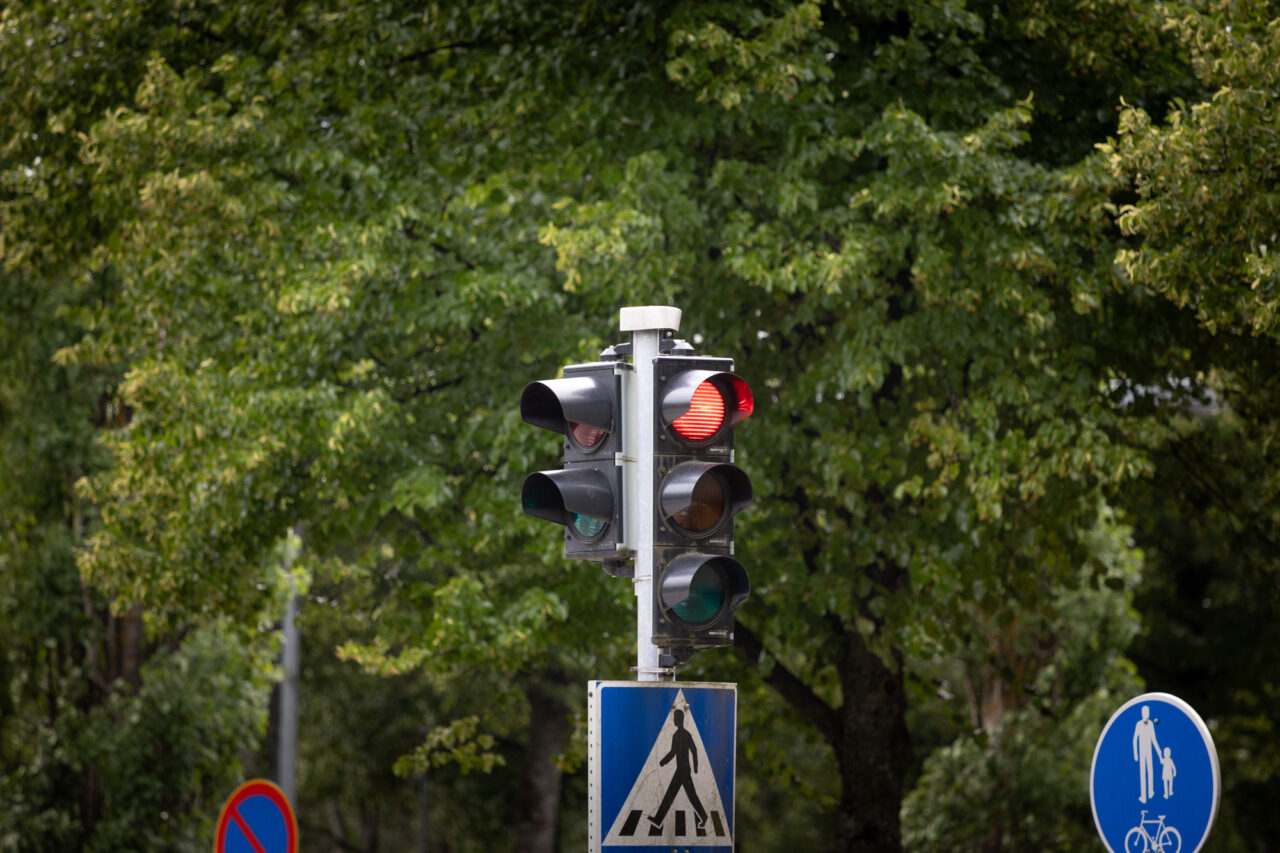
In Hämeenlinna’s city centre, it is relatively quick to travel short distances by bicycle or on foot. Most Hämeenlinna residents live within cycling distance of the city centre or district centres, and other distances are often also cyclable. Walking distances are also relatively functional and accessible. In addition, in Hämeenlinna, the appeal of cycling and walking is enhanced by the beautiful and historically interesting environment along the way.
Hämeenlinna’s public transport is being renewed in 2026 and 2027 and will transport its customers in an even more environmentally friendly manner. The routes and timetables of public transport in the city centre area will be renewed to be even clearer and smoother to use. Payment in public transport has been made easy; options include a Waltti card, contactless payment with a bank card or mobile payment on the bus.
There are also other travel options besides aeroplane or private car. And you do not always have to go far. Have you already been everywhere in Finland? Jump on a train and visit a place you have not been to before. You can also travel conveniently by train in Europe. Interrail is no longer just for young people, but is experiencing a new surge among middle-aged people as well.
Good Food Sustainably
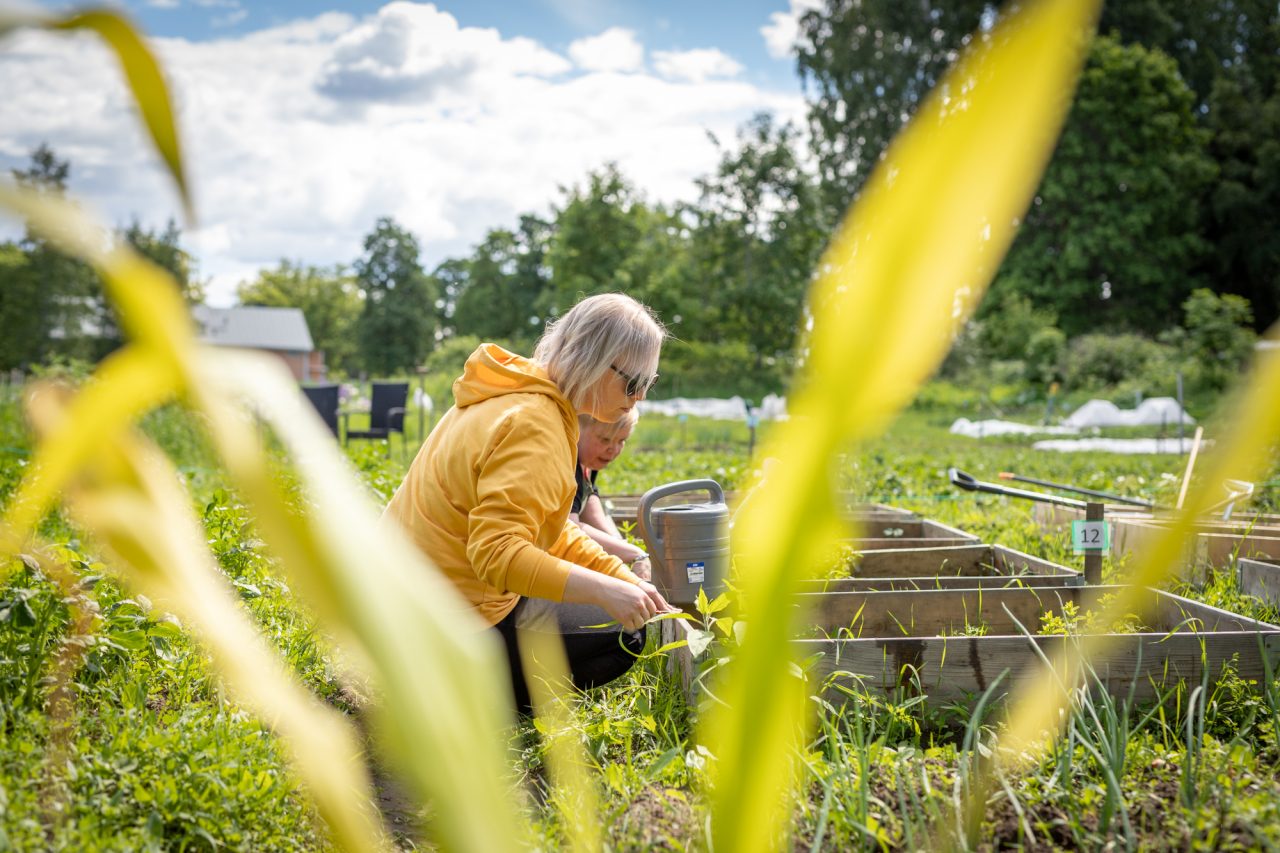
A surprisingly easy, delicious and healthy sustainability action is to increase the plant-based emphasis of food. Particularly with a vegan diet, it is possible to reduce one’s carbon footprint considerably. You can try it, for example, by participating in the vegan challenge, which also provides recipes to make everyday life easier. Veganism is not the only option, but reducing meat consumption is also a climate action. You can read more about different vegetarian diets, for example, on the Martat website.
Changing diet is not the only way to increase sustainability. Sustainability also includes organic and local food. Favouring seasonal vegetables also supports local producers and reduces climate impacts and ensures that vegetables are at their most nutritious. Hämeenlinna has an actively convening REKO local food circle, where you can buy food directly from farms without intermediaries. You can also grow or even fish part of your food yourself. You reduce food waste in your own home by buying and preparing only what you need and using the freezer diligently and utilising leftovers in cooking. From shops it is worth rescuing red-labelled products; it is waste reduction and money saving in the same package.
Learning Skills and Knowledge
A sustainable lifestyle is also self-development, new thinking and learning new skills and knowledge.
An easy place to start is Vanajavesi Institute, where you will find a wide range of courses related to, for example, nutrition, handicrafts and yard maintenance. Longer-term sustainability studies are offered by HAMK University of Applied Sciences.
Community and Influence
Sustainability does not arise only from individual choices, but by working together. Everyday community – such as neighbourly help, housing association work parties or shared meals with friends – strengthens social relationships and at the same time supports ecological sustainability.
Boldly bring your sustainable choices to the attention of others. Examples in everyday life, encouraging conversation and making positive impacts visible lower the threshold for change. Instead of preaching, experiences and shared joy work.
You can also influence on social media, in working life and in voluntary work. Everyone can participate in promoting sustainability from their own starting points – by sharing information, acting at the workplace or participating in organisational activities.
Sustainability issues are also addressed and resolved in democratic decision-making. Voting at different levels of government and citizens’ initiatives are ways in which one can participate in societal influence concerning sustainability.
Links related to voluntary work:
Luontoliitto
Finnish Association for Nature Conservation
WWF
Vapaaehtoistyo.fi
Citizens’ initiatives:
Citizens’ Initiative Service – Browse citizens’ initiatives
Tools for Assessing and Managing One’s Own Environmental Footprint
Climate diet – A tool for monitoring and reducing one’s own greenhouse gas emissions.
Baltic Sea calculator – Find out the impact of your consumption habits on the nutrient load of the Baltic Sea.
Water footprint calculator – The calculator highlights the focus areas of one’s own water consumption and helps reduce the water footprint.
Sitra lifestyle test – A lifestyle test that provides tips to support a more sustainable everyday life.