National Urban Park
Hämeenlinna National Urban Park was established in 2001. It is the first of its kind in Finland and the second in the world.
Hämeenlinna National Urban Park comprises a magnificent ensemble of parks along the shores of Lake Vanajavesi and around Lake Aulangonjärvi, historically significant built cultural environments, and recreational and nature conservation areas. The aim of the National Urban Park is to ensure that these precious environments are preserved for future generations as part of a living and developing city.
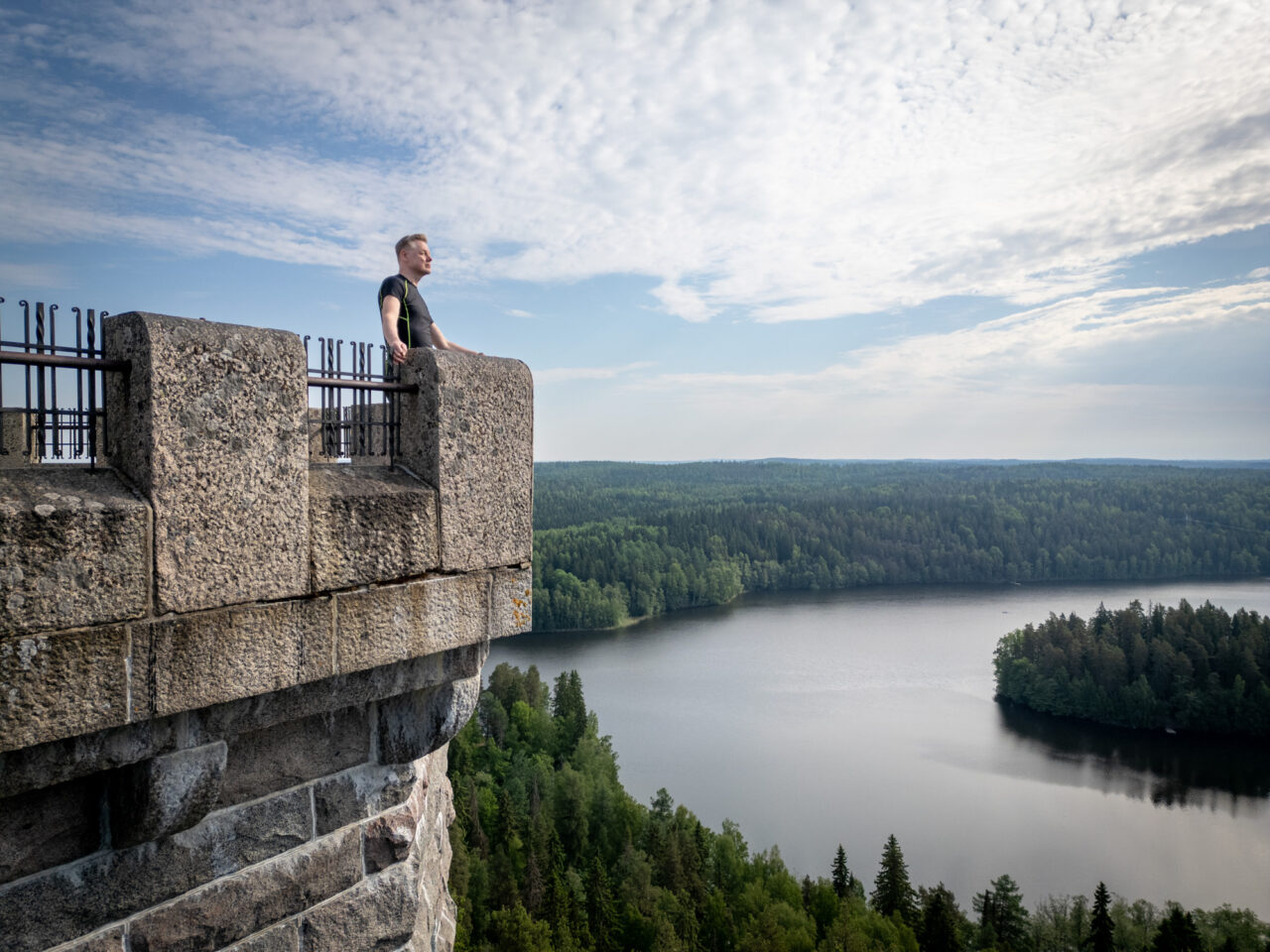
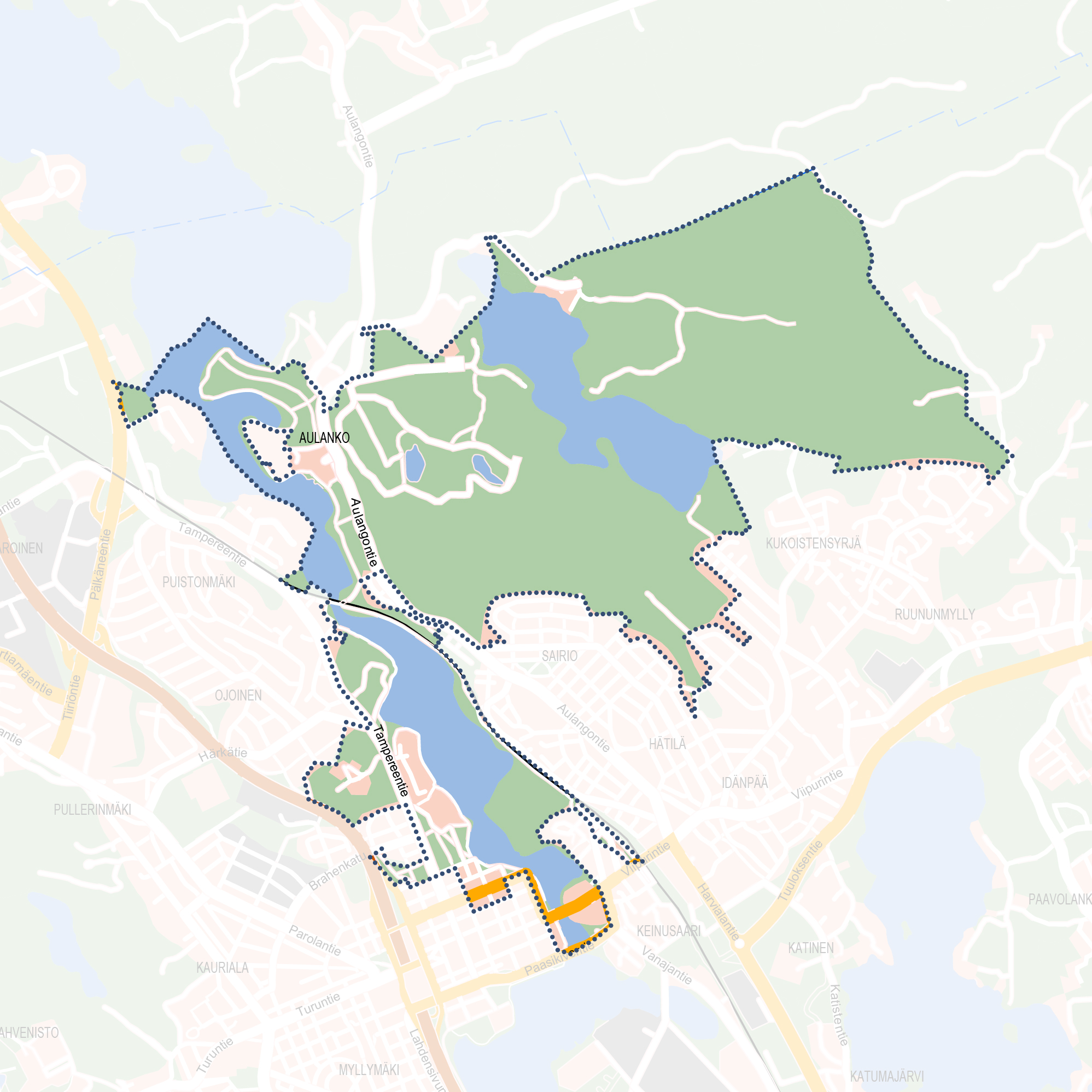
Located in the Vanajavesi valley, the park covers approximately 740 hectares and extends from the city centre to Aulanko and the forest areas beyond Lake Aulangonjärvi. Over six kilometres long and approximately five kilometres wide at its broadest point, the ensemble connects valuable natural, landscape, and cultural environments. Lake Vanajavesi is a central element of its landscape and urban structure, even though the water areas are not included in the park’s total surface area.
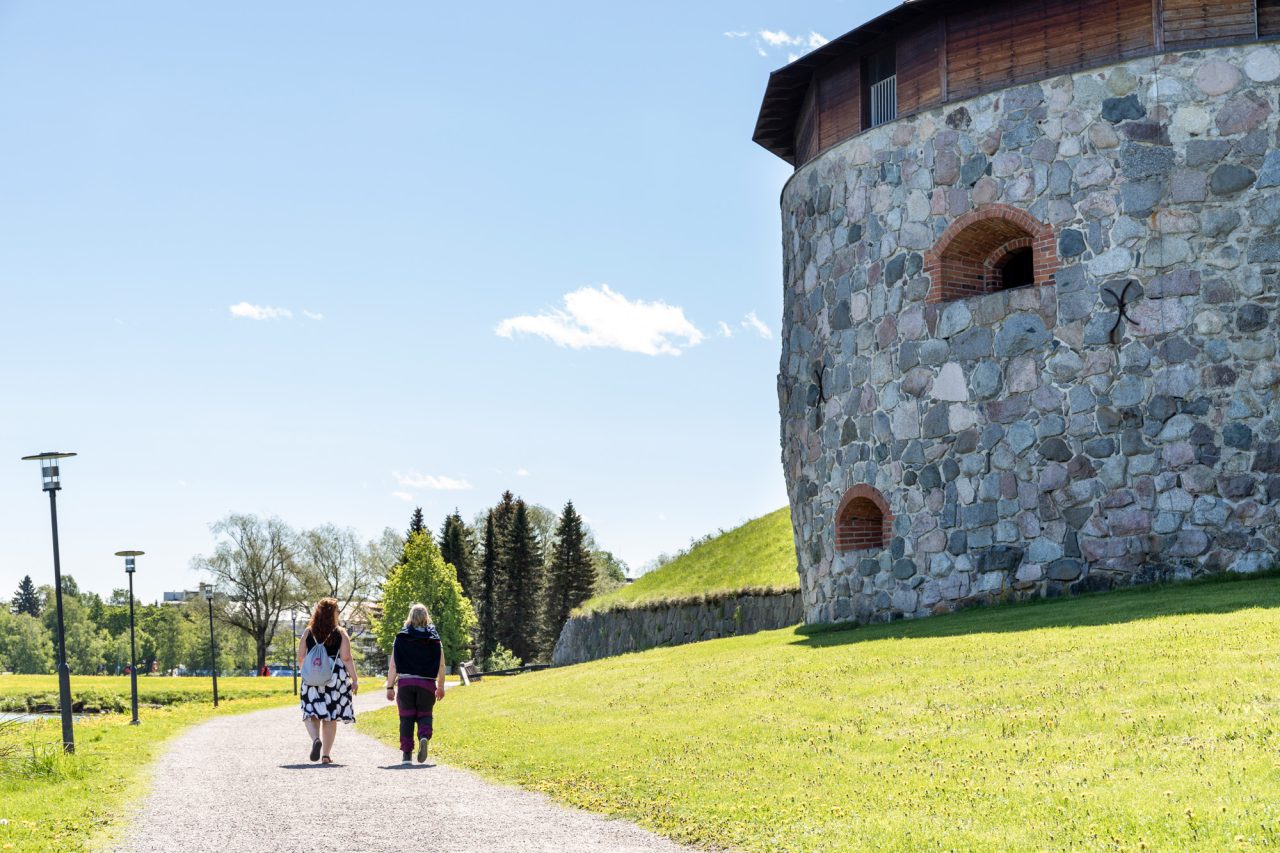
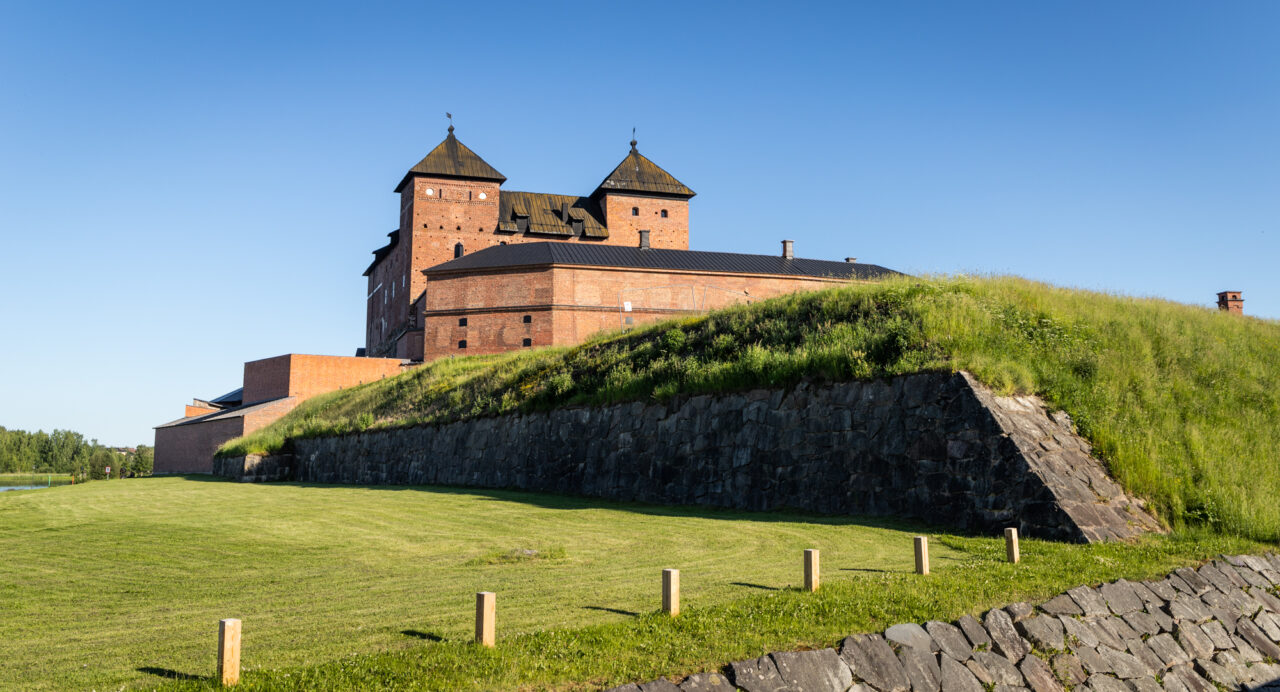
The historical and cultural core of the park is formed by the medieval Häme Castle with its surroundings and the shores of Lake Vanajavesi. The park also includes the waterfront parks of the city centre, valuable wooden house quarters, and the old industrial and hospital milieus of Keinusaari and Verkatehdas. The largest part by area consists of the popular Aulanko outdoor recreation area.
Hämeenlinna National Urban Park is a ‘showcase’ for Finnish history and nature. It provides a clear illustration of our country’s cultural, economic, and social development, as well as cultural trends.
The special significance of Hämeenlinna National Urban Park, Ministry of the Environment establishment decision, 10 January 2001.
Establishment of the park
Hämeenlinna National Urban Park was established by a decision of the Ministry of the Environment on 10 January 2001, following an application by the city. It was the first National Urban Park in Finland made possible by the Land Use and Building Act, which came into force at the beginning of 2000. The establishment work began as early as 1997, with extensive participation from landowners, residents, and various stakeholders.
Hämeenlinna had exceptionally good prerequisites for establishing a National Urban Park. The park area brings together nationally valuable landscapes, natural environments, and cultural heritage sites, such as the Vanajavesi national landscape, the Häme Castle surroundings, and the Aulanko park and nature areas. The area reflects both the long evolutionary history of nature and the traces of human activity from prehistoric times to the modern urban environment.
The natural, landscape, and cultural values identified during the establishment of the park form the foundation of the National Urban Park. In applying for the park’s establishment, the city committed to the long-term preservation, management, and development of these values as part of urban planning in the future. A management and use plan confirmed by the Ministry of the Environment has been drawn up for the park.
Network
The idea of establishing national urban parks originated in Sweden. In 1995, the world’s first national urban park, Kungliga Nationalstadsparken, was established in Stockholm by a special act of the Riksdag. The Swedish model influenced the reform of the Land Use and Building Act then under preparation in Finland, making the establishment of national urban parks possible. Today, the status of national urban parks is based on the Area Use Act. The city applies for the establishment of a park, and the decision is made by the Ministry of the Environment according to specific criteria.
There are currently 12 such parks in Finland. The member cities of the network cooperate to develop the national urban parks, increase their visibility, and share best practices.
Experience the National Urban Park on the Rantareitti
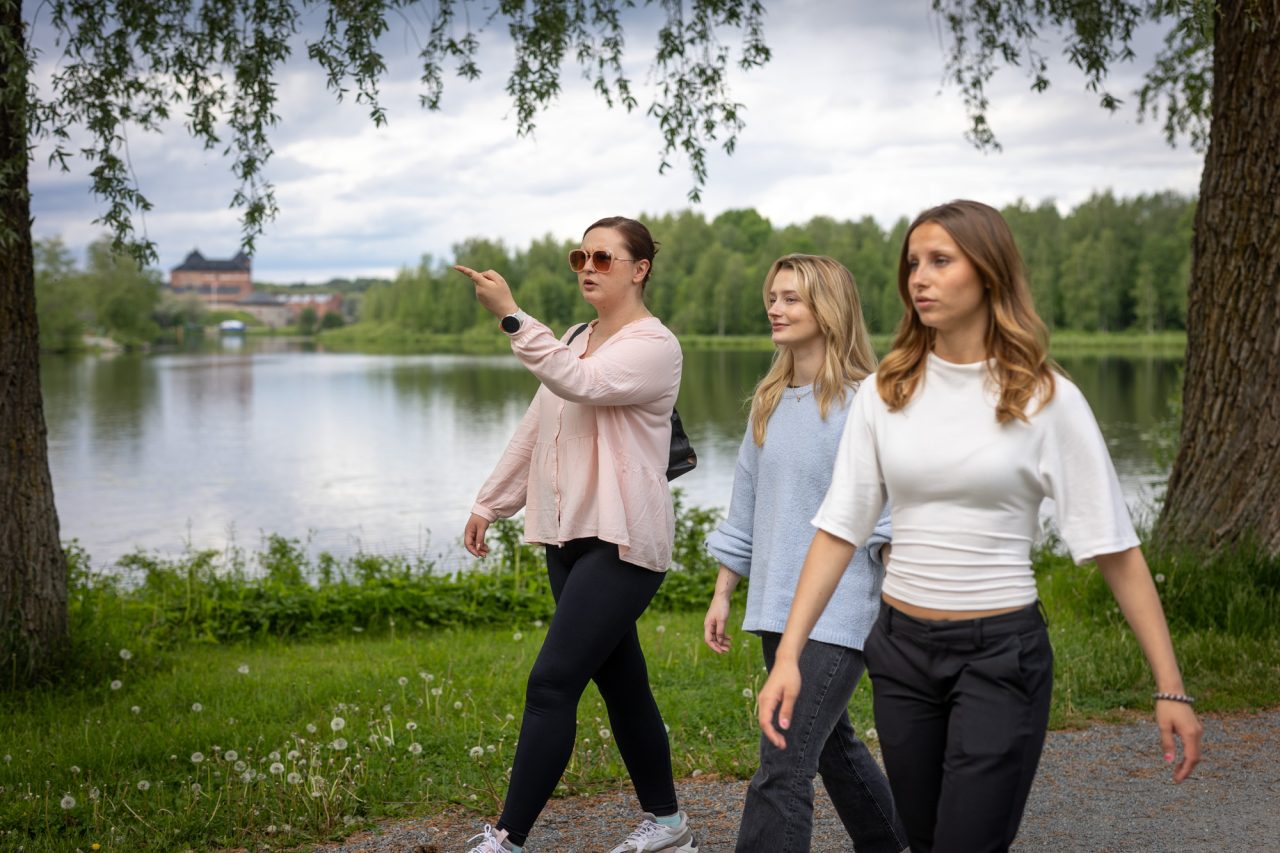
The Rantareitti, which circles the shores of Lake Vanajavesi, passes through the stunning landscapes of the National Urban Park. The route passes through a total of 13 different parks.
Landscapes from the National Urban Park